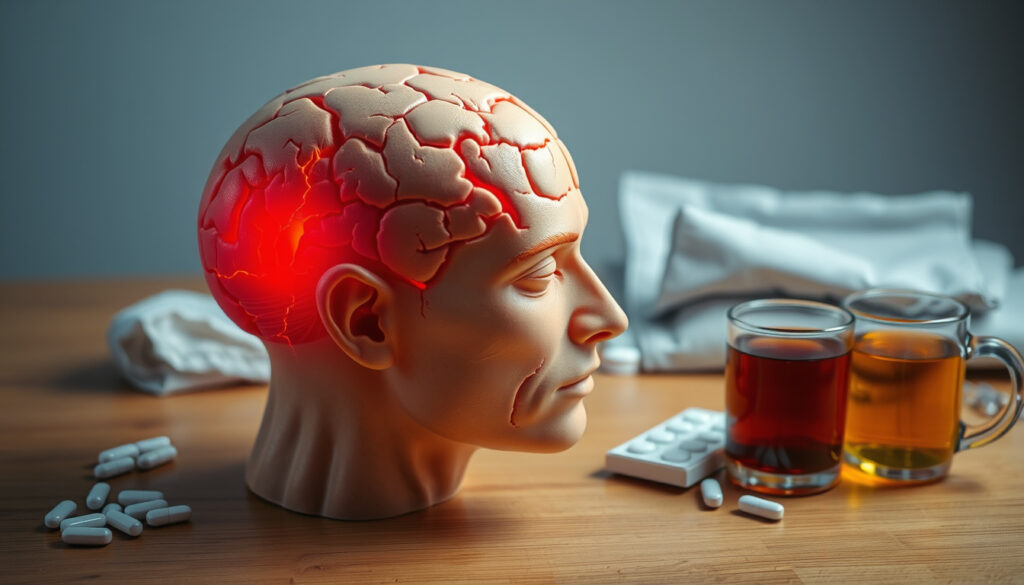
Headache on the Left Side of Head: Causes & Relief
When a headache locks onto one side of your head, it’s hard to ignore — that sharp focus feels different from the everyday tension headache most people know. Left-sided head pain sends roughly 1 in 6 Americans to search for answers, and the list of possible culprits ranges from manageable migraine to something that needs immediate attention. This guide cuts through the noise with clinic-sourced insight on what triggers one-sided pain, how to ease it at home, and which signs mean you should call a doctor — not wait it out.
Common Causes: Migraine, cluster headache, tension · Cluster Headache Pain: Intense around one eye Mayo Clinic · Serious Triggers: Stroke, aneurysm Tua Saude · Top Sites Coverage: Healthline, Mayo Clinic
Quick snapshot
- Cluster headaches cause severe one-sided pain Mayo Clinic
- Migraines affect 1 in 6 people in the United States Healthline
- Women are 2–3× more likely to get migraines than men Healthline
- Whether a one-sided headache always signals brain tumor — it doesn’t
- Exactly how a stroke headache feels varies person to person
- Migraine episodes typically last 4–72 hours Medical News Today
- Cervicogenic headache resolves within 3 months with treatment Medical News Today
- Track your pain patterns and triggers before your next appointment
- Know when a headache crosses from routine to emergency
The table below consolidates the key data points about one-sided head pain — from pain types and locations to red flag symptoms and treatment thresholds.
| Category | Details |
|---|---|
| Pain Types | Throbbing, sharp, dull |
| Cluster Location | Around one eye Mayo Clinic |
| Common Fixes | Hydration, rest, OTC medications Healthline |
| Red Flag | Worst headache of life — seek emergency care |
| Migraine Prevalence | 1 in 6 Americans affected Healthline |
| Stress Trigger | Present in 80% of migraine cases Medical News Today |
| Hormonal Trigger | Present in 65% of migraine cases Medical News Today |
| Sinus Antibiotic Rule | Considered only after 10+ days of symptoms Tua Saude |
What does headache on the left side mean?
A one-sided headache — also called unilateral head pain — affects one side of your head or face, either consistently or in distinct episodes. The term describes a pattern, not a diagnosis; the underlying cause can be anything from common migraine to a serious vascular event. Healthline’s medical reviewers note that conditions like dehydration, stress, and sinus congestion can all produce pain on one side, which is why narrowing down the specifics matters.
Migraine symptoms
Migraine is one of the most common causes of left-sided headaches, and it hits roughly 1 in 6 people in the United States. Women are two to three times more likely to experience migraine attacks than men. The pain is typically throbbing, concentrated on one side, and may include nausea, sensitivity to light or sound, and visual disturbances called aura. A migraine episode can last anywhere from 4 to 72 hours Medical News Today. Triggers often include stress (which plays a role in 80% of cases), hormonal changes (present in 65% of cases), alcohol, certain cheeses, chocolate, and sleep irregularities.
“Migraine is one of the most common disorders in the world and affects about 1 in 6 people in the United States.”
— Healthline Editorial Team (Medical Reviewers)
Cluster headache features
Cluster headaches belong to a different category entirely. The Mayo Clinic describes them as a rare and severe type of headache that causes intense pain in or around the eye on one side of the head. Unlike migraine, cluster headache pain centers around the eye and temple, arriving in sudden bursts that last 15 minutes to three hours. Patients often describe the sensation as being stabbed behind one eye. The condition involves the hypothalamus and trigeminal system Medical News Today, and episodes tend to occur in cycles — hence the name.
Cluster headache pain is often mistaken for sinusitis or migraine, but the eye-centered intensity and burst pattern set it apart. Misdiagnosis delays the right treatment, which for severe cases includes prescription options like sumatriptan.
Tension headache signs
Tension headaches can cause pain on one side due to stress, poor posture, or tight neck muscles Advanced Headache Center. The sensation is usually dull and pressing rather than throbbing, and the discomfort often wraps around the skull or radiates from the neck. Unlike migraine, tension headaches rarely cause nausea or sensitivity to light. The American Academy of Family Physicians recommends acetaminophen or ibuprofen as first-line treatment Tua Saude.
The implication: one-sided pain alone doesn’t point to a specific diagnosis. The quality of pain (throbbing versus pressing), accompanying symptoms, and duration paint a clearer picture than side alone.
What causes a headache on the left side of the brain?
Headaches are classified as primary — meaning the headache itself is the disorder — or secondary, where head pain is a symptom of an underlying condition. Left-sided headaches usually fall into one of several categories depending on where the pain originates and what triggers it.
Common triggers
The most common primary causes are migraine, tension-type headache, and cluster headache. Stress is a documented trigger in 80% of migraine cases Medical News Today, while hormonal fluctuations affect 65% of cases. Alcohol, aged cheeses, chocolate, and irregular sleep patterns also rank among frequent migraine triggers. Sinus infections cause pressure-like pain over the left forehead or cheek, worsening when bending forward Tua Saude.
Location-specific causes
Cervicogenic headaches originate from the neck — injuries like whiplash, poor posture, or joint dysfunction in the upper cervical spine — and refer pain to one side of the head Medical News Today. The pain typically starts in the neck and spreads upward. With proper treatment including NSAIDs or targeted physical therapy, cervicogenic headaches should resolve within 3 months Medical News Today. Ear infections on the left side can cause radiating sharp pain to the left head through shared nerve pathways Tua Saude, while dental infections on the left side may do the same.
Eye and temple pain
When pain clusters around the left temple or behind the left eye, several causes come into play. Cluster headaches produce the most severe eye-centered pain and are among the most painful headache types known. Glaucoma or optic nerve inflammation on the left side can cause referred temple pain. Temporal arteritis — inflammation of the temporal artery — causes left-sided headache worsened by palpation, and carries the serious risk of vision loss if untreated Tua Saude.
Temple pain combined with jaw pain, vision changes, or scalp tenderness in someone over 50 warrants a same-day medical evaluation to rule out temporal arteritis.
The pattern: most left-sided headaches stem from benign primary causes like migraine or tension, but location and quality of pain offer clues. Eye-centered severe pain suggests cluster or temporal arteritis; neck-originating pain points toward cervicogenic; pressing forehead pain may mean sinusitis.
How to get rid of left side headaches?
Relief depends on identifying the headache type and matching treatment to it. Both home-based approaches and medical interventions have evidence behind them for common headache patterns.
Home remedies
For tension headaches and mild migraine, lifestyle adjustments often provide meaningful relief. Staying hydrated, maintaining regular sleep schedules, and managing stress through techniques like deep breathing or progressive muscle relaxation are foundational steps Advanced Headache Center. Applying hot or cold packs to the affected side — cold for throbbing migraine pain, heat for tense neck muscles — can reduce discomfort. Identifying and avoiding personal triggers (certain foods, alcohol, strong scents) reduces episode frequency over time.
Medical treatments
Over-the-counter medications like ibuprofen, aspirin, or acetaminophen are first-line treatments for most left-sided headaches Advanced Headache Center. For moderate to severe migraine that doesn’t respond to OTC options, prescription triptans like sumatriptan (Imitrex) are recommended Advanced Headache Center. Cluster headaches may respond to oxygen therapy or verapamil under specialist supervision. Sinus infections causing one-sided pressure pain warrant antibiotics only when symptoms persist beyond 10 days Tua Saude — a threshold aligned with CDC guidelines.
Lifestyle changes
Building headache-resilient habits reduces both frequency and severity. Regular aerobic exercise, consistent meal timing, and limiting alcohol intake address common migraine triggers. For cervicogenic pain, posture correction and targeted neck strengthening exercises offer long-term benefit. Sleep hygiene — consistent bedtimes and avoiding screens before sleep — helps regulate the hormonal and stress pathways involved in migraine.
Overusing OTC pain relievers more than 10–15 days per month can paradoxically cause medication-overuse headache, making the original problem worse. If you find yourself reaching for ibuprofen daily, that’s a signal to see a doctor about prevention rather than just treatment.
What this means: most mild to moderate left-sided headaches respond to self-care within a few hours. But if OTC use exceeds a few days per week, or if headaches are disrupting life regularly, a clinician can offer targeted prevention that changes the underlying pattern rather than just managing each episode.
When should I worry about a one-sided headache?
Not every left-sided headache is an emergency, but certain features demand immediate evaluation. Knowing the red flags separates the vast majority of benign episodes from the rare but serious conditions where minutes matter.
Red flags
The National Headache Foundation identifies sudden severe headache developing in under 5 minutes — especially when accompanied by double vision, a rigid neck, or neurological changes — as requiring emergency care National Headache Foundation. Weakness or numbness on one side of the body, slurred speech, confusion, or seizures alongside head pain are also clear signals to call emergency services. Red flags for emergency care include sudden severe pain, weakness on one side, double vision, confusion, or seizures Medical News Today.
Duration concerns
Headaches lasting more than a few days without improvement, or that wake you from sleep, deserve medical attention even without red flag symptoms. A headache that persists for three days or longer on the left side warrants evaluation to rule out secondary causes like infection or structural issues Advanced Headache Center. Increasingly frequent headaches or headaches that progressively worsen over weeks are also outside the normal range for primary headache disorders.
Associated symptoms
Strokes or brain tumors causing headaches are typically accompanied by neurological symptoms like weakness, difficulty speaking, or changes in vision National Headache Institute. The headache itself is rarely the only sign of a serious secondary cause. Fever and stiff neck alongside headache suggest meningitis; scalp tenderness and jaw pain alongside temple headache suggest temporal arteritis; sudden “worst headache of life” with no prior history of similar pain suggests aneurysm rupture Tua Saude.
The phrase “thunderclap headache” — a sudden explosive headache reaching maximum intensity within minutes — describes a medical emergency until proven otherwise. A brain aneurysm that leaks or ruptures often presents exactly this way, and the window for intervention is narrow.
The implication: one-sided head pain alone is rarely dangerous. When paired with sudden onset, neurological changes, or escalating severity, it becomes a signal to act fast. For most people, tracking the pattern — how long, how often, what helps — gives a doctor the information needed to classify it correctly.
Is a left side headache serious?
In the vast majority of cases, a left-sided headache is not serious — it stems from migraine, tension, or another primary headache type that is treatable and manageable. But rare secondary causes do exist, and distinguishing them requires attention to how the headache behaves rather than side alone.
Stroke signs
A stroke-related headache is usually accompanied by other neurological deficits: facial drooping on one side, arm weakness, speech difficulty, or vision changes. The headache may develop suddenly but rarely arrives as an isolated symptom National Headache Institute. If you experience any sudden weakness or numbness, even without severe head pain, call emergency services immediately.
Aneurysm feel
A brain aneurysm — a weakened blood vessel wall that can leak or rupture — may cause a headache before it ruptures, though many produce no symptoms until the event itself. When an aneurysm ruptures, it causes a sudden “thunderclap” headache described as the worst headache of one’s life Tua Saude. This requires immediate evaluation. An unruptured aneurysm causing recurring one-sided headaches is less common but possible and manageable with neurosurgical consultation.
Tumor indicators
Brain tumors can cause one-sided headaches, but they represent a tiny fraction of all headache presentations. Tumors causing headache are typically accompanied by progressive neurological changes: worsening coordination, new seizures, personality changes, or vision loss National Headache Institute. Morning nausea or vomiting not related to other conditions can also accompany brain tumors. The key differentiator from migraine: the headache pattern progressively worsens rather than following a predictable episodic cycle.
“Strokes or brain tumors causing headaches are accompanied by neurological symptoms like weakness or speech difficulty.”
— National Headache Institute (Headache Specialists)
What this means: the overwhelming odds favor a benign cause when left-sided headache is the primary complaint. But the serious exceptions are time-sensitive — they reward fast action. Patients with a new, sudden, or progressively worsening one-sided headache should err on the side of caution and seek evaluation.
Steps to take for left side headache
Working through a left-sided headache systematically helps you find relief faster and provides useful information for your healthcare provider. Follow these steps in order.
- Assess the pattern. Note when the pain started, where it’s located (temple, behind the eye, back of the head), what it feels like (throbbing, sharp, pressing), and whether anything makes it better or worse.
- Check for red flags. If the headache came on suddenly and severely, involves neurological changes (weakness, vision changes, confusion), or is the worst you’ve ever experienced, seek emergency care before trying home treatment.
- Try basic self-care. Hydrate with water, rest in a dark quiet room, and apply a cold pack to the affected side for 20 minutes. Avoid known food triggers if you have migraine.
- Use OTC medication if appropriate. Ibuprofen, acetaminophen, or aspirin taken early in an episode often provides meaningful relief for tension-type and migraine headaches. Avoid using them more than 10–15 days per month.
- Track the episode. Write down when the headache started, how long it lasted, what you tried, and what helped. This data helps your doctor identify patterns and triggers over time.
- Schedule a doctor’s visit if episodes are frequent. If you’re having headaches more than once a week, they’re interfering with work or daily life, or OTC medications aren’t helping, a clinician can offer preventive options that address the underlying pattern.
What we know vs. what remains unclear
Confirmed
- Cluster headaches consistently cause severe one-sided pain centered around one eye Mayo Clinic
- Migraines are frequently unilateral (one-sided), affecting roughly 1 in 6 Americans Healthline
- Stress triggers migraine in 80% of cases Medical News Today
- OTC ibuprofen, aspirin, and acetaminophen are effective first-line treatments for most common headache types Advanced Headache Center
- Red flags — sudden onset, neurological symptoms, worst headache of life — reliably indicate need for emergency evaluation National Headache Foundation
Unclear or overstated
- Whether one-sided headaches always indicate brain tumor — they don’t; most one-sided headaches are benign
- Exactly how a stroke-related headache feels — varies significantly and often accompanies other neurological signs rather than standing alone
- The precise contribution of individual triggers to any given episode — triggers interact, and threshold levels differ between individuals
What experts say
“Cluster headache is a rare and severe type of headache that causes intense pain in or around the eye on one side of the head.”
— Mayo Clinic Staff (Medical Experts)
“Many conditions like dehydration, stress, migraine, and sinus congestion can cause one-sided headache pain.”
— Healthline Editorial Team (Medical Reviewers)
Summary
Left-sided head pain covers a wide spectrum — from inconvenient tension headache to one of the most agonizing conditions known in medicine. For most people, the answer lies in identifying the pattern (throbbing migraine versus sharp cluster versus pressing tension), using OTC treatment appropriately, and building lifestyle habits that reduce trigger exposure over time. For those whose headaches persist beyond a few days, occur more than once a week, or arrive with any neurological warning signs, the path forward is clear: seek medical evaluation promptly rather than managing alone. Clinicians can distinguish between manageable and dangerous presentations quickly — and acting fast makes the difference.
Related reading: Phlegm Stuck in Throat for Months: Causes & Remedies
Left-sided headaches often localize behind the left eye, signaling potential cluster attacks or sinus issues that demand similar diagnostic approaches as broader migraines.
Frequently asked questions
What causes sharp pain on left side of head that comes and goes?
Sharp, intermittent left-sided pain that comes and goes is characteristic of cluster headaches (brief but severe bursts centered around one eye) or migraine with aura. Less commonly, nerve irritation from cervicogenic or trigeminal neuralgia causes sudden shock-like pain. Tracking the frequency, duration, and accompanying symptoms helps your doctor classify the type.
Can headache on left side of head behind eye be sinus?
Sinusitis causes pressure-like pain over the forehead or cheek that typically worsens when bending forward, and may affect one side if only one sinus is inflamed. True sinusitis usually includes nasal congestion, facial fullness, and sometimes fever. If eye pain is the primary feature with nasal symptoms absent, cluster headache or migraine are more likely explanations Tua Saude.
How long is normal for headache on left side of head for 3 days?
A three-day headache falls at the longer end of a typical migraine episode, which can last 4 to 72 hours. If the pain is continuous across those three days without any break, or if it’s worsening rather than following a peak-and-fade pattern, see a doctor. Sinus infection lasting more than 10 days also warrants evaluation Tua Saude.
What triggers headache on top left side of head?
Top-of-head pain on the left side is most commonly associated with migraine or tension-type headache. Cervicogenic pain starting in the upper neck can also refer to the crown of the skull. Cervicogenic headaches originate from neck injuries and resolve with targeted treatment within about 3 months Medical News Today. Evaluating neck posture and upper cervical mobility with a physical therapist can help identify this cause.
Is headache on left side above eye a migraine?
Pain above the left eye is a common location for migraine, which frequently concentrates behind one eye, at the temple, or across the forehead. However, cluster headaches also center on the eye region and cause more severe, brief bursts of pain. If the pain is throbbing, accompanied by nausea or light sensitivity, and lasts several hours, migraine is the more likely diagnosis Healthline.
What home treatment for headache left side of head and eye?
Rest in a dark, quiet room; apply a cold pack to the left temple or eye area for 20 minutes; stay hydrated; and take ibuprofen or acetaminophen at the onset of symptoms. For eye-specific pain, rule out visual strain (screen time, uncorrected refractive error) as a contributing factor. If the pain is severe and eye-centered, a doctor’s evaluation can determine whether it’s migraine, cluster, or another condition requiring specific treatment.
Does neck pain cause left side headache?
Yes. Cervicogenic headaches originate from the neck — poor posture, joint dysfunction, muscle tension — and refer pain to one side of the head, often the left. Neck stiffness, limited range of motion, and pain that worsens with neck movement are typical features. Physical therapy, postural correction, and NSAIDs are standard treatments Medical News Today.
More related posts
 William Blake: Biography, Poems, Quotes and Works
 Alex Polizzi: husband, hotels, net worth, and career facts
 Ready to Go SMB: The Sunderland AFC Fan Forum Guide
 Peter Kay’s Health Journey: Diagnosis, Weight Loss, Tour Update
 Ronald Reagan: Actor, 40th President, and Lasting Legacy
 St. Vincent (Musician): Biography, Relationships & Songs
 Health and Care Visa UK: Eligibility, Salary, and Processing
 Paul Doyle: 21-Year Sentence for Liverpool Parade Attack