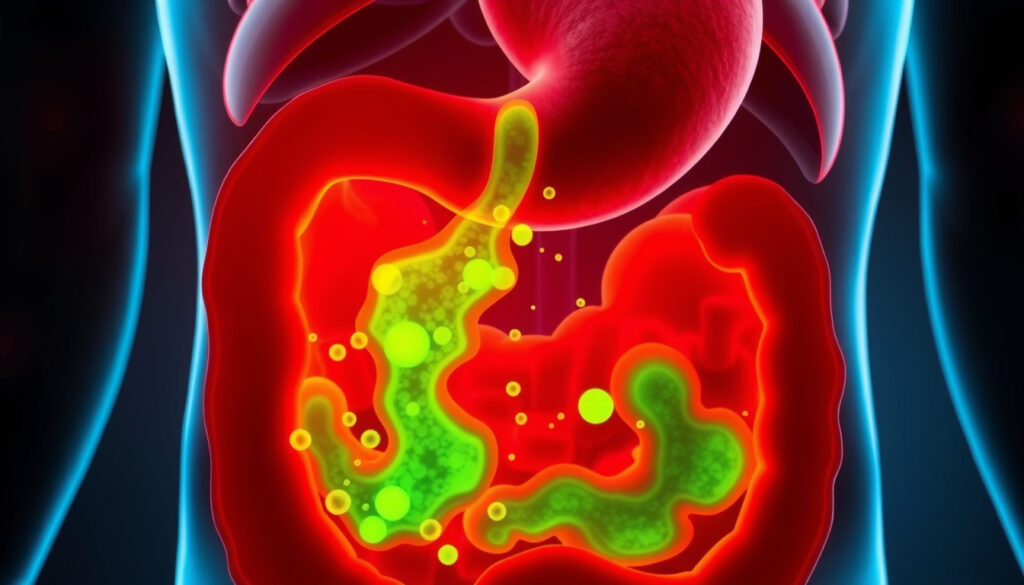
What Is Acid Reflux – Symptoms, Causes and Treatments
Acid reflux occurs when stomach acid flows backward into the esophagus, causing a burning sensation commonly known as heartburn. This happens when the lower esophageal sphincter—a muscle that normally prevents stomach contents from backing up—relaxes at the wrong time or fails to close properly. While occasional acid reflux is common and often manageable, frequent episodes can develop into gastroesophageal reflux disease (GERD), a chronic condition requiring medical attention.
Understanding the difference between acid reflux, heartburn, and GERD is essential for recognizing when symptoms warrant lifestyle changes versus medical intervention. The condition affects millions of people worldwide and can significantly impact quality of life when left unaddressed. This guide provides a comprehensive overview of acid reflux symptoms, causes, and treatment options based on current medical understanding.
What Is Acid Reflux?
Acid reflux is the physiological event where stomach contents, including acid, flow backward into the esophagus. When this occurs more than twice weekly, it is typically classified as gastroesophageal reflux disease (GERD). Heartburn serves as the primary symptom people experience during acid reflux episodes, manifesting as a burning sensation in the chest that may rise toward the throat.
Backward flow of stomach acid into the esophagus
Lower esophageal sphincter dysfunction, obesity, pregnancy
Heartburn, regurgitation, sore throat, chest discomfort
Antacids, H-2 blockers, proton pump inhibitors (PPIs)
Key Facts About Acid Reflux
- Heartburn occurring more than twice weekly typically indicates GERD rather than occasional reflux
- The lower esophageal sphincter normally acts as a one-way valve between the stomach and esophagus
- Untreated GERD can lead to serious complications including Barrett’s esophagus and esophageal damage
- Proton pump inhibitors demonstrate approximately 90% effectiveness in reducing acid reflux symptoms
- Pregnancy and obesity are documented risk factors that increase likelihood of developing symptoms
- Chest pain from heartburn can sometimes mimic symptoms of coronary artery disease
| Factor | Details |
|---|---|
| Primary Mechanism | Lower esophageal sphincter relaxation or improper closure |
| GERD Frequency Threshold | Symptoms occurring more than twice weekly |
| Documented Risk Factors | Pregnancy, overweight status, certain medications |
| Serious Complications | Esophageal inflammation, Barrett’s esophagus, narrowing |
| PPI Effectiveness | Approximately 90% reduction in symptoms |
What Causes Acid Reflux?
The fundamental cause of acid reflux lies in dysfunction of the lower esophageal sphincter (LES). Under normal circumstances, this ring-shaped muscle relaxes to allow food to enter the stomach and then contracts to prevent stomach contents from flowing backward. When the LES relaxes inappropriately or fails to close completely, stomach acid can ascend into the esophagus, irritating its sensitive lining.
Primary Contributing Factors
Several factors can contribute to LES dysfunction and increase the likelihood of acid reflux episodes. Obesity places additional pressure on the abdomen, which can push stomach contents upward. Pregnancy also increases intra-abdominal pressure while hormonal changes can relax the sphincter muscle. Certain medications, including some antidepressants and blood pressure treatments, may contribute to reflux symptoms as well.
Studies indicate that proton pump inhibitors are effective in approximately 90% of acid reflux cases. National Health Service
Common Triggers and Lifestyle Factors
While dietary triggers vary significantly between individuals, certain patterns have been observed. Large meals distend the stomach, increasing pressure on the LES. Eating close to bedtime means digestion occurs while lying down, when gravity cannot assist in keeping contents down. Stress and smoking can also impair esophageal function and reduce saliva production, which normally helps neutralize acid.
What Are the Symptoms of Acid Reflux?
Symptoms of acid reflux extend beyond the characteristic heartburn sensation. The National Institute of Diabetes and Digestive and Kidney Diseases documents a range of manifestations that can indicate reflux activity. Recognizing these signs helps distinguish acid reflux from other conditions and guides appropriate management.
Primary Symptoms
Heartburn remains the most recognizable symptom—a burning discomfort that typically centers behind the breastbone and may radiate upward toward the throat. Regurgitation involves stomach contents backing up into the throat or mouth, often accompanied by an unpleasant sour or bitter taste. These symptoms frequently occur after meals and may worsen when lying flat.
Secondary and Related Symptoms
- Dry cough or frequent throat clearing without apparent respiratory cause
- Sore throat, hoarseness, or laryngitis resulting from acid irritation
- Difficulty swallowing or sensation of a lump in the throat
- Nausea, burping, and abdominal bloating
- Bad breath unrelated to dental or dietary factors
- Wearing away of tooth enamel from repeated acid exposure
- Shortness of breath or worsening of asthma symptoms
Seek immediate medical attention for severe chest pain, chest pain radiating to the arm or neck, vomiting blood, dark stools, or difficulty swallowing solids or liquids. UC Davis Health advises that these symptoms may indicate conditions beyond simple acid reflux.
Understanding the Difference: Acid Reflux, Heartburn, and GERD
These related terms describe distinct but connected aspects of the same general condition. MedlinePlus clarifies that acid reflux is the physiological event—stomach acid backing up into the esophagus. Heartburn is the symptom—the burning sensation caused by that backflow. GERD represents the chronic disease diagnosis when reflux occurs frequently, generally defined as symptoms presenting more than twice weekly.
How Is Acid Reflux Treated?
Treatment approaches for acid reflux range from over-the-counter remedies to prescription medications and medical procedures. The Aurora Health Care system outlines a stepped approach that begins with lifestyle modifications and progresses to medication based on symptom severity and frequency.
Over-the-Counter Medications
Antacids such as Tums, Maalox, Mylanta, and Gaviscon provide rapid symptom relief by neutralizing existing stomach acid. However, these medications do not address the underlying cause and cannot heal esophageal damage. H-2 receptor blockers including Tagamet, Zantac, Pepcid, and Axid reduce acid production and offer longer-lasting relief, though the body may gradually adapt to their effects.
Consulting a physician is recommended if over-the-counter antacids are needed more than four times weekly. UC Davis Health emphasizes that frequent reliance on these products may indicate inadequate management of an underlying condition.
Prescription Medications
Proton pump inhibitors (PPIs) such as omeprazole and lansoprazole represent the strongest acid-blocking medications available. These prescription treatments work by blocking the acid-producing pumps in the stomach lining, promoting healing of esophageal damage while preventing new reflux damage. Cleveland Clinic notes that PPIs are often prescribed as first-line treatment for moderate to severe GERD or when tissue damage is evident, typically for courses of four to eight weeks.
Medical Procedures
When medications prove insufficient, specialists may recommend diagnostic or interventional procedures. A gastroscopy uses a thin camera-equipped tube to examine the esophagus and stomach, identifying structural abnormalities or tissue changes. Testing for Helicobacter pylori bacteria—which can contribute to reflux symptoms—may lead to antibiotic treatment combined with PPIs. In severe cases, surgical intervention on the stomach or esophagus can permanently reduce reflux by reinforcing the lower esophageal sphincter.
When Should You See a Doctor for Acid Reflux?
Understanding when professional medical evaluation becomes necessary helps prevent complications and ensures appropriate treatment. The Harvard Health Publishing advises several scenarios that warrant physician consultation rather than self-management.
Warning Signs Requiring Medical Attention
- Heartburn occurring more than twice weekly despite lifestyle modifications
- Over-the-counter medications failing to provide adequate symptom relief
- Severe or worsening symptoms that interfere with daily activities or sleep
- Signs of serious complications including blood in stool or unexplained weight loss
- Difficulty swallowing solids or liquids
- Symptoms that could indicate cardiac involvement, such as chest pressure or arm pain
Healthcare providers can perform tests to rule out coronary artery disease when chest pain is present, since heartburn symptoms can closely mimic cardiac conditions. Early intervention prevents progression to complications such as esophageal inflammation, narrowing, or Barrett’s esophagus—a precancerous change that increases esophageal cancer risk.
Understanding the Distinctions: GERD, Heartburn, and Acid Reflux
Clear understanding of terminology helps patients communicate effectively with healthcare providers and follow treatment recommendations appropriately. The Mayo Clinic provides authoritative definitions that distinguish these related but separate concepts.
Acid reflux describes the mechanical event of stomach contents moving backward into the esophagus. This is a normal physiological process that everyone experiences occasionally. Heartburn represents the uncomfortable symptom—typically a burning sensation—that results from acid contact with the esophageal lining. GERD, or gastroesophageal reflux disease, constitutes the clinical diagnosis applied when reflux occurs chronically and causes troublesome symptoms or complications.
The frequency distinction matters clinically: experiencing heartburn more than twice weekly typically prompts a GERD diagnosis. However, even less frequent symptoms warrant attention if they significantly impact quality of life or suggest potential complications. Appropriate classification guides treatment intensity and monitoring schedules.
Early treatment of GERD is important to prevent serious long-term complications including esophageal damage and Barrett’s esophagus. Regular monitoring and adherence to treatment plans reduce these risks significantly.
Summary and Next Steps
Acid reflux represents a common digestive condition that, while often manageable with lifestyle changes and over-the-counter medications, can progress to a chronic disease requiring ongoing medical care. Understanding the mechanics of lower esophageal sphincter dysfunction, recognizing the full range of symptoms beyond heartburn, and knowing when professional evaluation becomes necessary are essential components of effective management.
For individuals experiencing frequent symptoms, beginning with dietary modifications and timing adjustments—avoiding late meals and large portions—often provides meaningful improvement. When these measures prove insufficient, pharmacists can guide appropriate over-the-counter selections, while primary care physicians can escalate to prescription medications or specialist referral as needed. You may also want to explore What Is Metronidazole Used For for information on related medications, or learn about How Much Magnesium Per Day to understand mineral supplementation considerations.
Frequently Asked Questions
What foods commonly trigger acid reflux?
Common triggers include spicy foods, citrus, tomatoes, chocolate, peppermint, caffeine, and fatty or fried items. However, triggers vary significantly between individuals, and identifying personal patterns through food diaries often proves more useful than following generic lists.
How can I stop acid reflux quickly?
Over-the-counter antacids provide rapid relief by neutralizing existing stomach acid. Staying upright, avoiding tight clothing, and sipping water can also help during acute episodes. For frequent symptoms, H-2 blockers or PPIs provide more sustained management.
Is acid reflux curable?
While occasional acid reflux may resolve with lifestyle changes, chronic GERD typically requires ongoing management rather than cure. Treatment aims to control symptoms, prevent complications, and maintain quality of life through medication, behavioral modifications, or in select cases, surgical intervention.
Can acid reflux cause chest pain?
Yes, chest discomfort is a documented symptom of acid reflux. However, because heartburn pain can resemble cardiac symptoms—including pressure, squeezing, or radiating discomfort—medical evaluation is essential to rule out heart conditions when chest pain occurs.
What triggers acid reflux at night?
Eating within two to three hours of bedtime, lying flat, and certain foods consumed in the evening commonly precipitate nighttime symptoms. Elevating the head of the bed and avoiding late meals represent practical prevention strategies.
Is acid reflux dangerous?
Occasional acid reflux is generally not dangerous. However, untreated chronic GERD can lead to serious complications including esophagitis, esophageal strictures, Barrett’s esophagus, and increased esophageal cancer risk. Early diagnosis and appropriate treatment significantly reduce these risks.
More related posts
 Martin Parr: Health, Harry Styles, and Ireland Project
 Michael Jai White: Real Martial Artist? Black Belts & Career
 RAC Route Planner UK: Free Real-Time Traffic & Comparison Guide
 Stephen Graham: Biography, Family, Health & Career
 Clare Calbraith: Biography, Vera Departure, Downton Abbey Role & More
 Tim Peake: Biography, Space Mission, and Life After ESA
 Brigitte Macron: Children, Age Gap, and Wig Rumors
 EU to UK Shoe Size – Conversion Chart for Men, Women, Kids