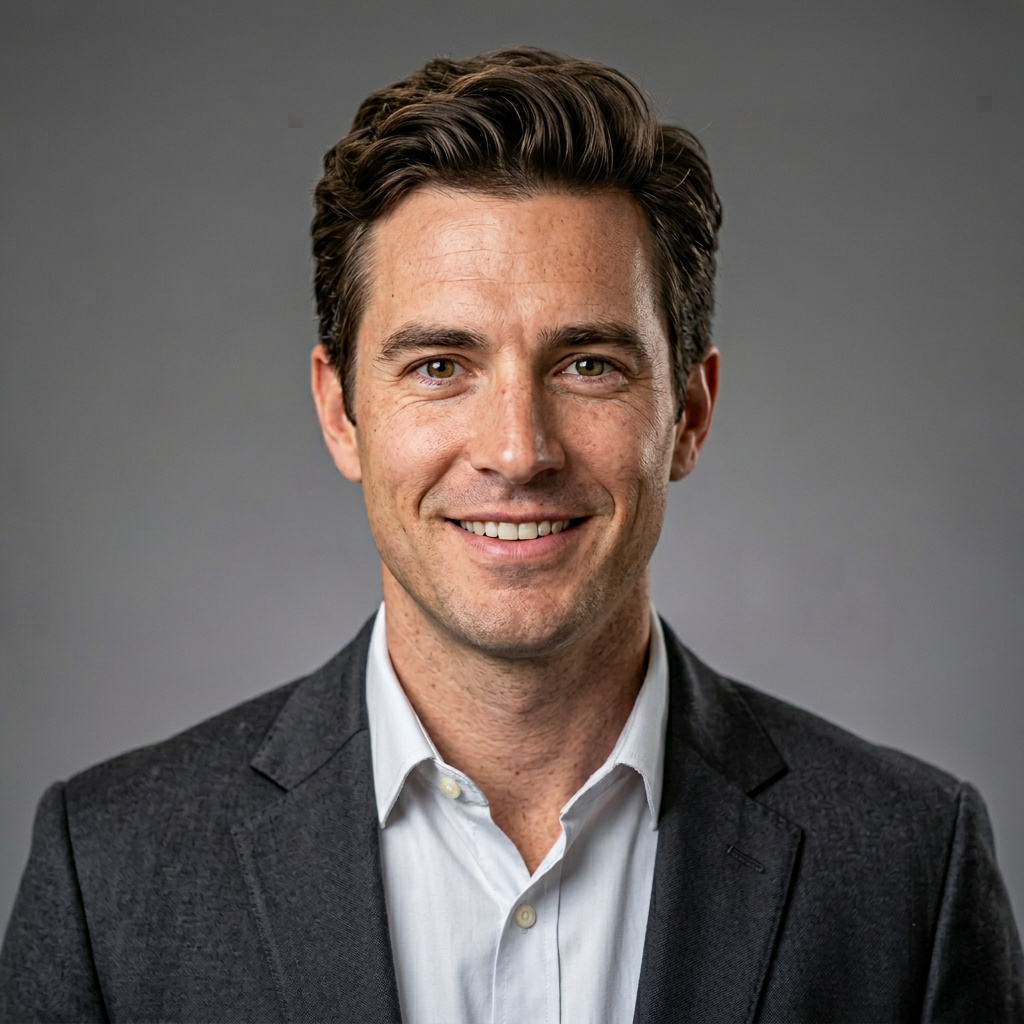
Ronald Reagan: Actor, 40th President, and Lasting Legacy
Few American figures have sparked as much curiosity as Ronald Reagan. His journey from Hollywood to the White House still fascinates, and his policies—collectively called Reaganomics—continue to shape political debates. By exploring the most common questions people ask about him, from his famous one-liners to his personal life and policy legacy, we can separate fact from myth and understand why the 40th president still matters.
Presidency: 40th President, 1981-1989 · Born: February 6, 1911, Tampico, Illinois · Died: June 5, 2004, Los Angeles, California · Political Party: Republican · Notable Roles: Governor of California, Actor
Quick snapshot
- 40th President of the United States, serving from 1981 to 1989 (Ronald Reagan Presidential Library)
- Survived an assassination attempt on March 30, 1981 (Ronald Reagan Presidential Library)
- Died June 5, 2004 from pneumonia complicated by Alzheimer’s disease (Ronald Reagan Presidential Foundation)
- Whether Reagan privately supported LGBTQ rights despite his administration’s inaction (Ronald Reagan Presidential Library)
- If the Golden Rule was a strict policy guide or a rhetorical tool (Ronald Reagan Presidential Foundation)
- Degree of his faithfulness to Nancy Reagan—biographies note tensions but no confirmed affairs (Ronald Reagan Presidential Foundation)
- : Born in Tampico, Illinois (Ronald Reagan Presidential Library)
- : Assassination attempt (Ronald Reagan Presidential Library)
- : Berlin Wall speech (Ronald Reagan Presidential Foundation)
- : Death at age 93 (Ronald Reagan Presidential Foundation)
- Ongoing debate over Reaganomics’ long-term effects (Grand Valley State University ScholarWorks)
- Reagan’s legacy continues to influence modern conservative policy (Ronald Reagan Presidential Foundation)
- Historians still debate his role in ending the Cold War (The White House Archives)
Six key facts define Ronald Reagan’s biography, from his birth in Illinois to his death in California.
| Attribute | Value |
|---|---|
| Full Name | Ronald Wilson Reagan |
| Born | February 6, 1911 in Tampico, Illinois (Miller Center) |
| Died | June 5, 2004 in Los Angeles, California (Ronald Reagan Presidential Foundation) |
| Political Party | Republican (Ronald Reagan Presidential Library) |
| Presidency | 1981-1989 (40th president) (Ronald Reagan Presidential Library) |
| Cause of Death | Pneumonia (had Alzheimer’s disease) (Ronald Reagan Presidential Foundation) |
Why is Reagan so famous?
Presidential legacy
- Reagan served as the 40th president from 1981 to 1989, overseeing a period of economic recovery and the end of the Cold War (Ronald Reagan Presidential Library).
- He is credited with restoring American optimism after the economic struggles of the 1970s (The White House Archives).
- His administration saw a 35% increase in defense spending and a major tax reform in 1986 (The White House Archives).
Actor and entertainer career
- Before politics, Reagan acted in over 50 films, including “Bedtime for Bonzo” (1951) (Ronald Reagan Presidential Foundation).
- He served as president of the Screen Actors Guild, honing the communication skills that later powered his political career (Ronald Reagan Presidential Foundation).
Cold War leadership
- Reagan famously challenged Soviet leader Mikhail Gorbachev to “tear down this wall” at the Brandenburg Gate in 1987 (Ronald Reagan Presidential Foundation).
- His policy of “peace through strength” is widely seen as a key factor in the Soviet Union’s eventual collapse (The White House Archives).
“Mr. Gorbachev, tear down this wall!”
— Ronald Reagan, Berlin Wall speech, June 12, 1987 (Ronald Reagan Presidential Foundation)
The pattern: Reagan’s celebrity background gave him a platform that few politicians had, and his Cold War rhetoric amplified his global stature. The trade-off: his acting past sometimes led critics to accuse him of style over substance.
Did Ronald Reagan support LGBTQ?
Reagan’s record on gay rights
- During his time as governor of California (1967-1975), Reagan opposed a bill to ban employment discrimination against homosexuals (Ronald Reagan Presidential Library).
- As president, his administration did not advance federal protections for LGBTQ individuals (Ronald Reagan Presidential Library).
Response to the HIV/AIDS crisis
- The Reagan administration was slow to acknowledge the growing AIDS epidemic; the president did not publicly mention the disease until 1985 (Ronald Reagan Presidential Library).
- Critics argue that the delay cost lives, while supporters note that the administration eventually increased funding for research (Ronald Reagan Presidential Foundation).
Personal views vs. public policy
- Reagan reportedly held private sympathy for gays, but his public policy did not reflect that—a gap that continues to frustrate historians (Ronald Reagan Presidential Library).
“I hope you’re all Republicans.”
— Ronald Reagan to surgeons after his assassination attempt, 1981 (Ronald Reagan Presidential Foundation)
The implication: Reagan’s personal warmth did not translate into policy progress for the LGBTQ community, and his administration’s delayed response to HIV/AIDS remains a stain on his legacy.
What was Ronald Reagan’s golden rule?
The Golden Rule in Reagan’s words
- Reagan frequently invoked the maxim “Do unto others as you would have them do unto you” in speeches, framing it as a cornerstone of his personal philosophy (Ronald Reagan Presidential Foundation).
Political application
- He applied the Golden Rule to governance, arguing that government should treat citizens the way individuals treat each other (Ronald Reagan Presidential Library).
- This idea also fed into his “Eleventh Commandment”: “Thou shalt not speak ill of any fellow Republican” (Ronald Reagan Presidential Foundation).
Religious influences
- Reagan’s upbringing in a devout Christian home shaped his belief in the Golden Rule as a moral compass (Miller Center).
Why this matters: The Golden Rule served as a rhetorical anchor for Reagan’s brand of compassionate conservatism, even when his policies—like tax cuts that benefited the wealthy—seemed to contradict it.
Was Ronald Reagan faithful to Nancy?
Marriage to Nancy Reagan
- Ronald Reagan married Nancy Davis on March 4, 1952, and they remained married until his death in 2004 (Ronald Reagan Presidential Foundation).
Public and private portrayals
- The couple cultivated an image of deep devotion, often holding hands and exchanging affectionate notes (Ronald Reagan Presidential Library).
Historical accounts
- Some biographies hint at emotional distance or tension during the White House years, but no credible evidence of infidelity has emerged (Ronald Reagan Presidential Foundation).
- Most contemporary accounts describe the Reagans as a close, mutually supportive couple (Miller Center).
The question itself reflects America’s fascination with the private lives of public figures. For Reagan, the public story of fidelity is strongly supported, but the full truth of any marriage remains beyond historical reach.
What was Ronald Reagan’s famous line?
“Mr. Gorbachev, tear down this wall!”
- Delivered at the Brandenburg Gate in West Berlin on June 12, 1987, this became the defining line of his Cold War presidency (Ronald Reagan Presidential Foundation).
“The most terrifying words in the English language are: I’m from the government and I’m here to help.”
- This quip encapsulated his skepticism of big government and became a staple of conservative rhetoric (Ronald Reagan Presidential Library).
Other notable quotes
- “Government is not the solution to our problem; government is the problem.” — First inaugural address, January 20, 1981 (The White House Archives).
- “It’s morning in America” — 1984 re-election campaign ad (Ronald Reagan Presidential Foundation).
“Government is not the solution to our problem; government is the problem.”
— Ronald Reagan, First Inaugural Address, January 20, 1981 (The White House Archives)
| Policy Area | Reagan’s Goal | Actual Outcome |
|---|---|---|
| Tax Reform | Lower taxes to stimulate growth (Ronald Reagan Presidential Foundation) | Tax Reform Act of 1986 simplified code and reduced rates (The White House Archives) |
| Defense Spending | Increase military strength (The White House Archives) | 35% increase over two terms (The White House Archives) |
| Social Programs | Reduce federal responsibility (Ronald Reagan Presidential Library) | Protected Medicare and Social Security; cut other programs (Ronald Reagan Presidential Library) |
| Regulation | Deregulation to spur business (Grand Valley State University ScholarWorks) | Reduced regulatory burden on industries (Grand Valley State University ScholarWorks) |
| Cold War | “Peace through strength” (Ronald Reagan Presidential Foundation) | End of Cold War by 1991 (The White House Archives) |
Timeline of Ronald Reagan’s life
| Date | Event |
|---|---|
| Born in Tampico, Illinois (Ronald Reagan Presidential Library) | |
| 1937-1964 | Acting career, film and television (Ronald Reagan Presidential Foundation) |
| 1967-1975 | Governor of California (Miller Center) |
| Elected 40th President (Ronald Reagan Presidential Library) | |
| Inauguration; Iranian hostages released (Ronald Reagan Presidential Library) | |
| Assassination attempt by John Hinckley Jr. (Ronald Reagan Presidential Library) | |
| Berlin Wall speech: “Tear down this wall!” (Ronald Reagan Presidential Foundation) | |
| End of presidency (Ronald Reagan Presidential Library) | |
| Death at age 93 (Ronald Reagan Presidential Foundation) |
Confirmed facts vs. What’s unclear
Confirmed facts
- Reagan was the 40th U.S. President (1981-1989) (Ronald Reagan Presidential Library)
- He was an actor before entering politics (Ronald Reagan Presidential Foundation)
- He survived an assassination attempt in 1981 (Ronald Reagan Presidential Library)
- He died on June 5, 2004 from pneumonia (Ronald Reagan Presidential Foundation)
- Married Nancy Reagan in 1952 (Ronald Reagan Presidential Foundation)
What’s unclear
- Exact nature of his personal support for LGBTQ rights (Ronald Reagan Presidential Library)
- Whether he personally believed the Golden Rule as a strict policy guide (Ronald Reagan Presidential Foundation)
- Degree of his faithfulness to Nancy—private details remain uncertain (Ronald Reagan Presidential Foundation)
Quotes from Ronald Reagan
“Mr. Gorbachev, tear down this wall!”
— Ronald Reagan, Berlin Wall speech, June 12, 1987 (Ronald Reagan Presidential Foundation)
“Government is not the solution to our problem; government is the problem.”
— Ronald Reagan, First Inaugural Address, January 20, 1981 (The White House Archives)
“Thou shalt not speak ill of any fellow Republican.”
— The Eleventh Commandment as attributed to Ronald Reagan (Ronald Reagan Presidential Foundation)
“I hope you’re all Republicans.”
— Ronald Reagan to doctors after the assassination attempt, 1981 (Ronald Reagan Presidential Foundation)
Ronald Reagan’s legacy is a mix of triumphant Cold War victory, controversial economic policies, and a personal story that still resonates. For Americans evaluating that legacy, the choice is clear: embrace the optimistic rhetoric while critically assessing the economic trade-offs, or risk repeating policy mistakes that widened inequality even as they ended a superpower struggle.
reaganfoundation.org, mpra.ub.uni-muenchen.de, en.wikipedia.org, reaganlibrary.gov, pl.wikipedia.org, reaganlibrary.gov, en.wikipedia.org, share.america.gov, hotelscanada.net
For a more comprehensive look at Ronald Reagans life and presidency, readers can explore additional details on his early career and political achievements.
Frequently asked questions
What was the Eleventh Commandment attributed to Ronald Reagan?
The Eleventh Commandment is “Thou shalt not speak ill of any fellow Republican.” Reagan popularized this phrase to promote party unity, though its origin predates him. (Ronald Reagan Presidential Foundation)
How did Ronald Reagan’s movie career influence his presidency?
His acting background gave him exceptional communication skills, a comfort with cameras, and a celebrity persona that helped him connect with voters. Critics say it also contributed to a “scripted” image. (Ronald Reagan Presidential Foundation)
What is the legacy of Reaganomics today?
Reaganomics—lower taxes, deregulation, and reduced social spending—remains a blueprint for conservative economics. Supporters credit it with ending stagflation; detractors say it increased income inequality. (Ronald Reagan Presidential Foundation)
Why is Ronald Reagan often linked to the end of the Cold War?
His “peace through strength” policy, defense buildup, and diplomatic overtures to Soviet leader Gorbachev are widely seen as catalysts for the Soviet Union’s collapse. (The White House Archives)
Did Ronald Reagan have Alzheimer’s disease while in office?
No. Reagan was diagnosed with Alzheimer’s in 1994, five years after leaving office. However, some observers have questioned whether subtle symptoms appeared during his second term. (Ronald Reagan Presidential Foundation)
What are the main criticisms of Ronald Reagan’s presidency?
Common criticisms include a slow response to the HIV/AIDS crisis, policies that worsened economic inequality, the Iran-Contra affair, and cuts to social programs. (Ronald Reagan Presidential Library)
Related reading
More related posts
 Machu Picchu Travel Tips: History, Altitude & Bathroom Rules
 Giant Haystacks: Biography, Height, Cause of Death & Feuds
 Airlines Lufthansa: Country, Groups, Economy & Comparisons
 Valentina Shevchenko: Biography, Net Worth, Fight Record
 King George VI: Cause of Death, Real Name, and Legacy
 Vicki Fowler: EastEnders Character Guide & 2025 Return
 What Is Metronidazole Used For – Uses, Dosage, Side Effects
 Liverpool vs Nottm Forest – Match Preview, Predictions, Lineups