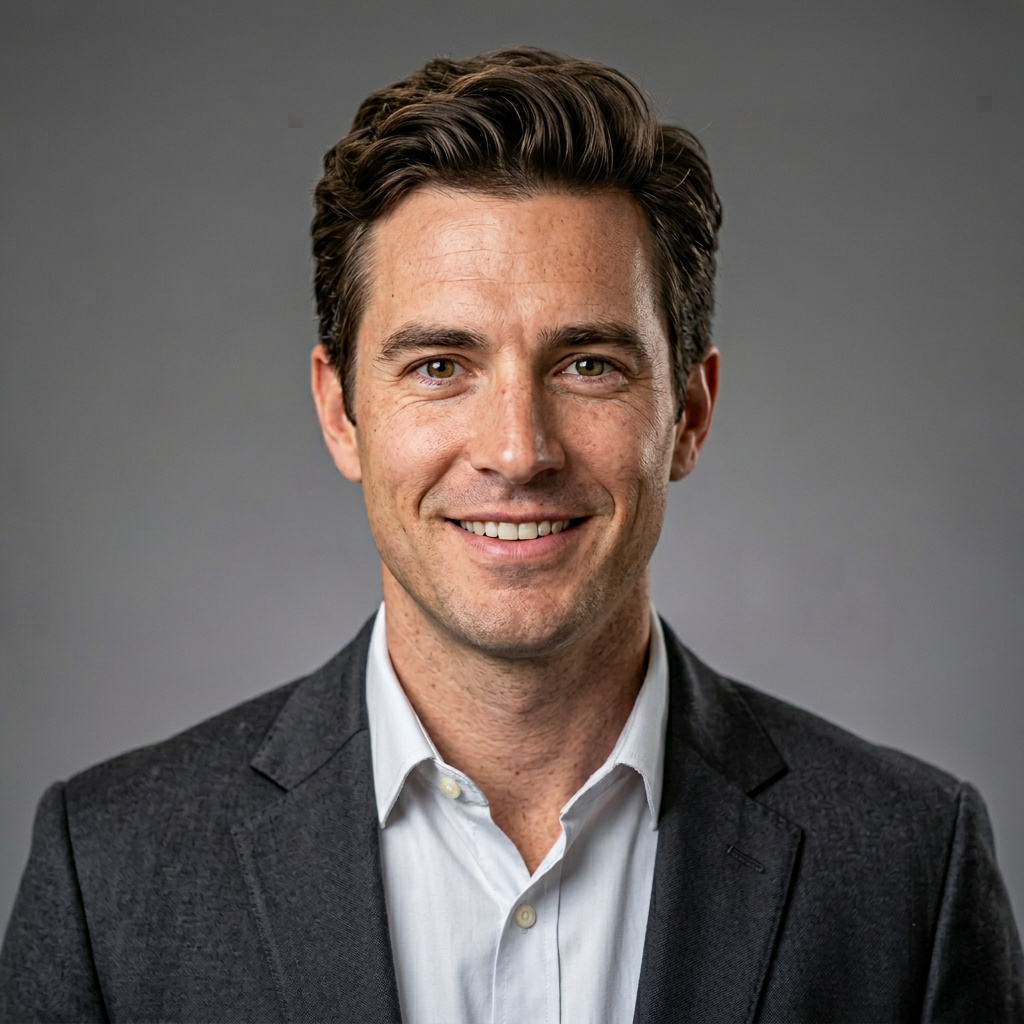
Kal Penn: Biography, Career, White House Role, Net Worth, and More
Kal Penn is the rare actor whose resume includes both a stoner comedy franchise and the Obama White House, a combination that still surprises people. His journey from Montclair, New Jersey to the West Wing, and back to Hollywood, offers a genuine lesson in defying easy labels. Here’s a closer look at his career, his life away from the spotlight, and what he’s doing now.
Born: April 23, 1977 · Real Name: Kalpen Suresh Modi · Occupation: Actor, Author, former White House staff · Famous role: Kumar in Harold & Kumar series
Quick snapshot
- Real name is Kalpen Suresh Modi (Wikipedia)
- Best known as Kumar in Harold & Kumar (NPR)
- Worked in the Obama White House from 2009 to 2011 (Global Indian)
- Current relationship status with partner Josh (details deliberately private)
- Exact net worth figures (not publicly disclosed)
- Born April 23, 1977
- 2004: Breakthrough in Harold & Kumar Go to White Castle
- 2009-2011: White House staffer under Obama
- Continuing acting and production work in 2025
- Ongoing advocacy and public speaking
Are Kal Penn and Josh still together?
Penn has kept his personal life largely private, but his long-term relationship with Josh has been a consistent part of his public narrative for years. He has occasionally spoken about the relationship in interviews, though he rarely shares identifying details.
What’s clear is that Penn considers his relationship foundational—he’s credited Josh with grounding him during his White House years.
Why did Kal Penn leave the White House?
Penn didn’t so much leave the White House as he stepped back from a second act of public service to return to acting. He took a leave from his Hollywood career in early 2009 to serve as an associate director in the White House Office of Public Engagement, then returned to acting full-time in 2011.
What was Kal Penn’s role in the White House?
Penn served as an associate director in the White House Office of Public Engagement, focusing on Asian American and Pacific Islander outreach. He worked alongside senior Obama administration officials and helped connect community leaders with the administration.
Penn left his full-time White House role in 2011 to return to acting, according to Informa Connect’s speaker profile.
What did he do with Obama?
Penn worked on outreach to Asian American and Pacific Islander communities, helping organize events and briefings. He also helped with the 2012 re-election campaign, appearing at events and using his platform to mobilize young voters.
Penn’s White House service wasn’t a publicity stunt—it was a genuine career pivot that lasted over two years, making him one of the few actors with a real policy portfolio.
What is Kal Penn’s most famous role?
For most audiences, Penn is Kumar—the perpetually hungry, philosophically loose stoner from the Harold & Kumar series. The role made him a stoner comedy icon, but it’s a label he’s spent years transcending.
Kal Penn’s role in the Harold & Kumar series
- Penn played Kumar Patel across three films, starting with 2004’s Harold & Kumar Go to White Castle (NPR)
Kal Penn’s role in House M.D.
Penn also had a significant dramatic turn as Dr. Lawrence Kutner on Fox’s hit medical drama House. The role showed he could hold his own in a serious ensemble, and his character’s sudden and controversial exit remains one of the show’s most talked-about moments.
The pattern is clear: Penn’s most famous role (Kumar) is the one he’s actively distanced from, while his White House and drama work shows a performer intent on outgrowing easy typecasting.
What is Kal Penn’s ethnicity?
Penn is Indian American, of Gujarati descent. His parents immigrated from India, and he was raised in Montclair, New Jersey, in a Hindu household. His birth name—Kalpen Suresh Modi—reflects that heritage directly.
Kal Penn’s real name
His birth name is Kalpen Suresh Modi, as noted in his Wikipedia biography. He adopted “Kal Penn” professionally early in his career, partly because casting directors found his birth name difficult to pronounce.
Penn was born in Montclair, New Jersey, to Gujarati Indian immigrant parents. He has spoken openly about growing up in a predominantly white neighborhood and navigating questions about his identity from an early age.
Penn became a trailblazer for South Asian representation by playing a stoner named Kumar—a role that challenged stereotypes while also relying on them. His subsequent career has been about transcending that paradox.
What is Kal Penn’s net worth?
Penn’s net worth isn’t publicly confirmed, and estimates vary widely. His income streams include his film and TV acting salaries, his White House salary (a government pay scale, not Hollywood scale), his 2021 memoir You Can’t Be Serious, and ongoing production work.
His net worth is less relevant than his trajectory: he’s parlayed a comedy franchise into a durable, multi-hyphenate career. Penn has also worked as a producer and director, adding those credits to his acting resume.
What’s verifiable is that Penn has maintained steady work for two decades—itself a form of career stability rare in Hollywood.
What is Kal Penn doing in 2025?
Penn continues to work as an actor, producer, and author. He remains active in political commentary and public speaking, and he’s been a frequent presence on television and at industry events.
He also continues to be a visible advocate for South Asian representation and civic engagement, building on the platform he first established in Hollywood and the White House.
The pattern is clear: Penn has successfully sustained multiple careers rather than being defined by any single one.
How has Kal Penn balanced acting and politics?
Penn’s ability to move between entertainment and public service isn’t a trick—it’s a discipline. He has described how his acting training helps him in politics (preparation, listening, reading the room) and how his policy work makes him a better actor (more empathy, more context for human behavior).
That balancing act has also meant making sacrifices. Penn has said he took a significant pay cut to work in the White House, and he’s turned down roles that would have conflicted with his service. But he’s also noted that the experience made him a more grounded performer.
The implication: Penn’s dual careers haven’t been a zero-sum tradeoff. They’ve reinforced each other in ways that have made him more credible in both worlds.
What is Kal Penn’s educational background?
Penn attended UCLA, where he earned a bachelor’s degree in film and television production (with a minor in theater) in 2000. He has acknowledged that his education gave him a technical grounding in the industry, though he’s been careful to note that his real education came from working on sets and in the White House.
He has also spoken about the importance of critical thinking and civic education—skills he says he uses daily, whether he’s reading a script or a policy brief.
The takeaway: Penn’s formal education complemented, rather than defined, his path—but the foundational training in storytelling and production has been central to every phase of his career.
What has Kal Penn said about representation in Hollywood?
Penn has been outspoken about the need for more authentic South Asian representation, both in front of and behind the camera. He’s talked about the limits of typecasting and the importance of telling stories that don’t reduce characters to stereotypes.
He’s also been careful to distinguish between representation that’s superficial and representation that’s structural. It’s not just about casting—it’s about who’s writing, directing, producing, and greenlighting the stories.
Penn has noted that progress in Hollywood often moves slowly and unevenly. He’s seen the industry celebrate a few visible successes while resisting the deeper changes that would make representation truly pluralistic.
Timeline: How has Kal Penn’s public identity evolved over time?
| Date | Event |
| 1977 | Born in Montclair, New Jersey |
| 2004 | Breakthrough in Harold & Kumar Go to White Castle |
| 2007 | Joined the cast of House M.D. |
| 2009 | Took a break from acting to work in the Obama White House |
| 2011 | Returned to acting full-time |
| 2021 | Published memoir, You Can’t Be Serious |
The pattern: Each phase of Penn’s career has expanded his range rather than restricting it, allowing him to pivot between entertainment and public service.
What is Kal Penn’s legacy and influence?
Penn’s impact extends well beyond his filmography. He’s widely regarded as a trailblazer for South Asian actors, and his White House service demonstrated that celebrities can engage in policy work with seriousness and substance.
His legacy is still being written, but it’s already clear that he’s influenced a generation of actors and activists who see public service as part of a creative career.
The takeaway: Penn’s career is a case study in how an actor can build a platform—then use it for something other than personal brand. His legacy is about breaking molds, both on screen and in public life.